
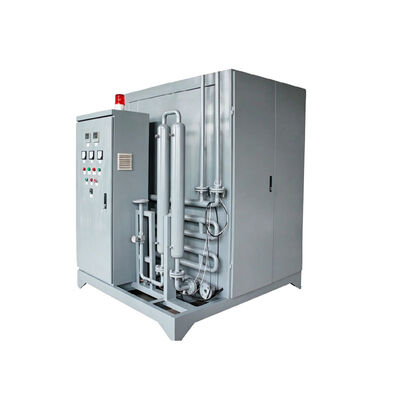
-
Highlight
ammonia decomposition hydrogen production machine
,SMT line hydrogen gas generator
,75% H₂ 25% N₂ gas equipment
-
Capacity1-1000Nm3/h
-
MAdjust Precision75%:25%
-
Pressure≥0.05Mpa
-
Control Power Supply380V 50Hz
-
Place of OriginCHINA
-
Brand NameCNSMT
-
CertificationCE- hydrogen production
-
Model NumberHN-4060
-
Minimum Order Quantity1 set of machine or mixed order is also acceptable Transport: By Bulk or Containers
-
PriceNegotiable
-
Packaging DetailsStandard export boxes and sturdy hardwood packages are both options
-
Delivery Time1-2 Working days
-
Payment TermsL/C, D/A, D/P, T/T, Western Union,
75% H ₂+25% N ₂ ammonia decomposition for hydrogen production
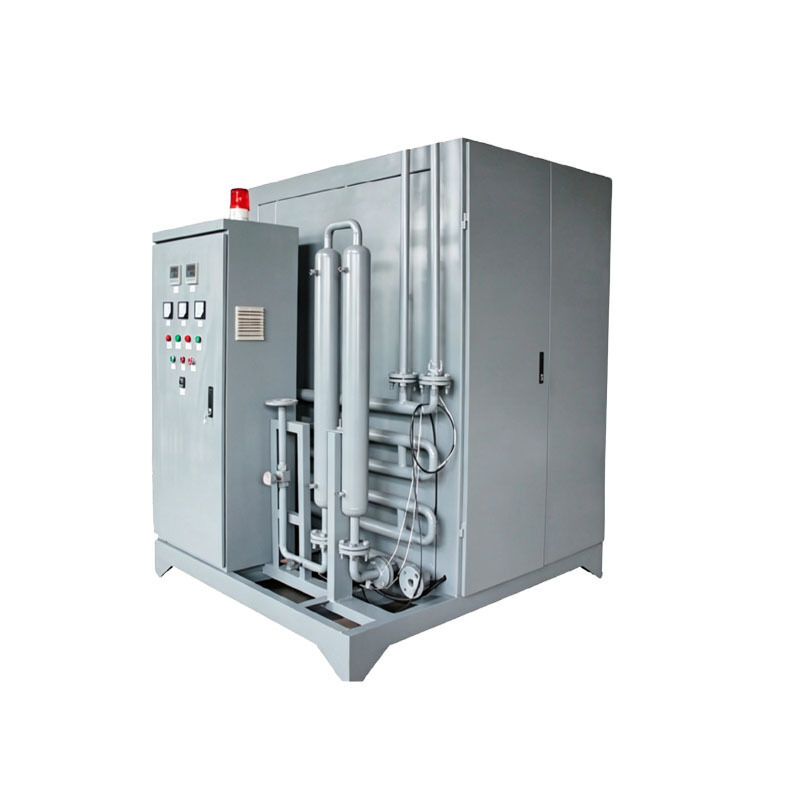
- Cracking Tube: Constructed from high-quality heat-resistant stainless steel 310S material (0Cr25Ni20), featuring imported plate rolled and welded construction with TIG welding and U-shaped structure for long-term durability in high-temperature corrosive environments.
- Heating Chamber: Utilizes low watt density pure alloy heating wires with hot-swappable installation, allowing replacement without stopping airflow for continuous operation.
- Catalyst: High-temperature nickel catalyst from Southwest Chemical Research Institute with long service life, high decomposition efficiency, and ideal decomposition gas xenon index.
- Thermal Insulation: Composed of lightweight aluminum silicate fiber formed by vacuum suction filtration, providing excellent heat insulation and high thermal efficiency to reduce operating costs.
- Pressure Reducing Valve: FTSHER from the United States ensures stable and safe physical operation.
- Temperature Control: Features two digital display controllers with adjustable K-type thermocouples using advanced microcomputer design and domestic brand pneumatic components.
- Alarm Function: Audible and visual alarm systems for safety monitoring.

| Model | Output | Nitrogen Purity | Dimensions (L*W*H mm) | Air Inlet | Gas Outlet | Weight (kg) | Power Supply |
|---|---|---|---|---|---|---|---|
| HN4010 | 10Nm³/h | ≥99.99% | 1300*950*1850 | G1/2" | G1/2" | 500 | AC220V/0.2KW |
| HN4020 | 20Nm³/h | ≥99.99% | 1400*950*1850 | G1" | G1/2" | 600 | AC220V/0.2KW |
| HN4030 | 30Nm³/h | ≥99.99% | 1500*950*1850 | G1" | G1/2" | 700 | AC220V/0.2KW |
| HN4040 | 40Nm³/h | ≥99.99% | 1600*1000*2000 | G1" | G1/2" | 800 | AC220V/0.2KW |
| HN4050 | 50Nm³/h | ≥99.99% | 1600*1200*2200 | G1" | G1/4" | 1000 | AC220V/0.2KW |
| HN4060 | 60Nm³/h | ≥99.99% | 1600*1200*2200 | G1" | G1" | 1200 | AC220V/0.2KW |
| HN4080 | 80Nm³/h | ≥99.99% | 1800*1400*2500 | G1" | G1" | 1600 | AC220V/0.2KW |
| HN4100 | 100Nm³/h | ≥99.99% | 2000*1600*2600 | DN32 | G1" | 1800 | AC220V/0.2KW |
| HN4150 | 150Nm³/h | ≥99.99% | 2200*1600*2700 | DN40 | G1" | 2400 | AC220V/0.2KW |
| HN4200 | 200Nm³/h | ≥99.99% | 2300*1600*2700 | DN50 | DN40 | 3000 | AC220V/0.2KW |
| HN4250 | 250Nm³/h | ≥99.99% | 2400*1600*2700 | DN50 | DN40 | 4000 | AC220V/0.2KW |
| HN4300 | 300Nm³/h | ≥99.99% | 2500*1600*2760 | DN65 | DN40 | 5600 | AC220V/0.2KW |
| HN4400 | 400Nm³/h | ≥99.99% | 2700*1800*2900 | DN65 | DN50 | 6500 | AC220V/0.2KW |
| HN4500 | 500Nm³/h | ≥99.99% | 3200*2400*3900 | DN80 | DN65 | 7500 | AC220V/0.2KW |
| HN4600 | 600Nm³/h | ≥99.99% | 3500*2500*4000 | DN80 | DN65 | 8500 | AC220V/0.2KW |
| HN4700 | 700Nm³/h | ≥99.99% | 3500*2500*4500 | DN100 | DN80 | 9500 | AC220V/0.2KW |
| HN4800 | 800Nm³/h | ≥99.99% | 3800*2600*4500 | DN100 | DN80 | 11000 | AC220V/0.2KW |
| HN4900 | 900Nm³/h | ≥99.99% | 3800*2600*5200 | DN100 | DN80 | 12000 | AC220V/0.2KW |
| HN41000 | 1000Nm³/h | ≥99.99% | 4000*2800*5500 | DN100 | DN80 | 15000 | AC220V/0.2KW |
Customer feedback and after-sales communication
Customers approve of HNP ammonia cracker for stable, qualified hydrogen output and low energy consumption. Our after-sales replies promptly on installation and troubleshooting. Good quality and considerate service bring favorable feedback and repeat orders.
CNSMT focuses on the R&D of ammonia decomposition hydrogen generators. These units deliver stable operation and high hydrogen purity, ideal for heat treatment, sintering and other industries. Boasting reliable quality, our products sell well at home and abroad. With competitive pricing and outstanding cost performance, they effectively reduce clients’ production costs. We provide full after-sales support including installation, commissioning, technical guidance and maintenance with quick responses. Having earned a solid reputation over the years, we welcome inquiries and orders from new and existing customers.
Our products are sold all over the world, you can rest assured.