
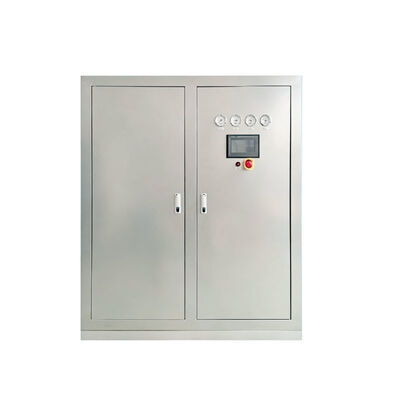
-
Highlight
industrial hollow fiber membrane
,nitrogen production membrane fiber
,YAMAHA spare parts membrane
-
N2 Capacity1-2000Nm3/h
-
N2 Purity95~99.9%
-
N2 Pressure0.8~50Mpa( Can Boost)
-
N2 Dewpoint-40°C~-50°C(Normalpressure)
-
Control Power Supply0.2kw 220v 50Hz
-
Place of OriginCHINA
-
Brand NameCNSMT
-
CertificationCE-fiber Nitrogen
-
Model NumberHN-4040
-
Minimum Order Quantity1 set of machine or mixed order is also acceptable Transport: By Bulk or Containers
-
PriceNegotiable
-
Packaging DetailsStandard export boxes and sturdy hardwood packages are both options
-
Delivery Time1-2 Working days
-
Payment TermsL/C, D/A, D/P, T/T, Western Union,
Industrial Hollow Separation Membrane Fiber Nitrogen Production
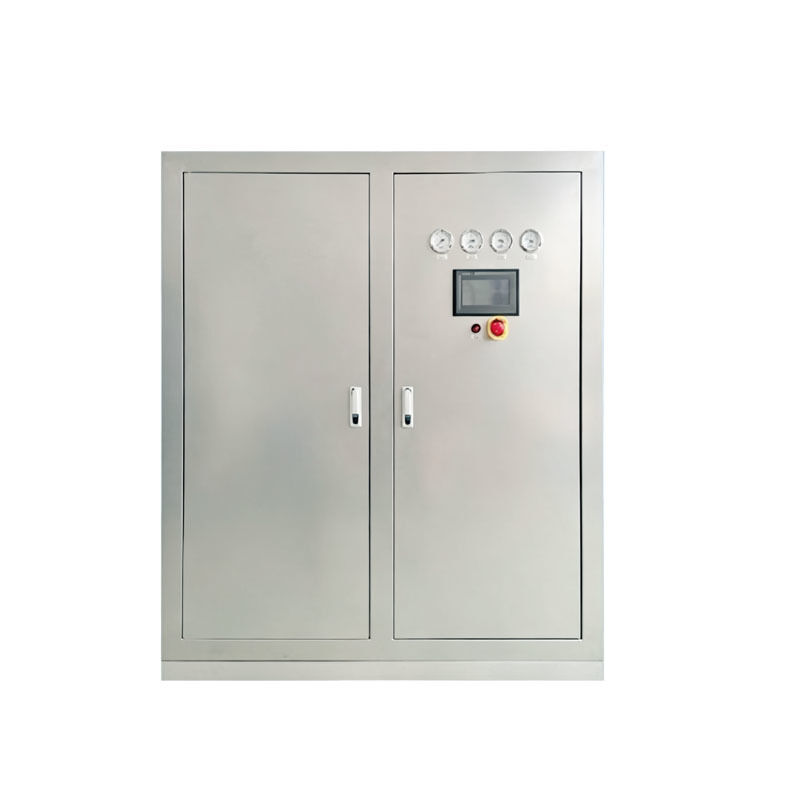
- Uses air as raw material under specific pressure conditions
- Simpler structure and smaller footprint compared to other nitrogen production equipment
- No switching valves required, minimal maintenance needed
- Rapid gas production within 3 minutes of startup
- Easy capacity expansion and scalability
- Ideal for small to medium nitrogen users requiring 99.5% purity
- Superior cost-performance ratio for purity levels above 99.5%

- Chemical Industry: Pipeline and storage tank cleaning, inerting, and catalysis
- Food Industry: Juice, food oil, alcohol, and beer packaging and sealing
- Metal Heat Treatment: Annealing, quenching, oxidation, and sintering protection atmosphere
- Shipping: Chemical and natural oil cargo vessel cleaning and nitrogen charging
- Medical: Material and product cleaning and nitrogen charging
- Rubber: Nitrogen protection during rubber product manufacturing
- Air Delivery & Storage: Powder anti-explosive measures, grain storage, mold and insect removal
- Petroleum & Natural Gas: Tank and pipeline cleaning and protection
- Painting: Fire prevention, oxidation avoidance, and nitrogen charging
- Enhanced Oil Recovery: Nitrogen injection into oil wells for residual oil extraction
- Vegetable & Fruit Storage: Freshness preservation and storage
| Model | Output Capacity | Nitrogen Purity | Dimensions (L*W*H mm) | Air Inlet | Gas Outlet | Weight (kg) | Power Supply |
|---|---|---|---|---|---|---|---|
| HN4010 | 10Nm³/h | ≥99.99% | 1300*950*1850 | G1/2" | G1/2" | 500 | AC220V/0.2KW |
| HN4020 | 20Nm³/h | ≥99.99% | 1400*950*1850 | G1" | G1/2" | 600 | AC220V/0.2KW |
| HN4030 | 30Nm³/h | ≥99.99% | 1500*950*1850 | G1" | G1/2" | 700 | AC220V/0.2KW |
| HN4040 | 40Nm³/h | ≥99.99% | 1600*1000*2000 | G1" | G1/2" | 800 | AC220V/0.2KW |
| HN4050 | 50Nm³/h | ≥99.99% | 1600*1200*2200 | G1" | G1/4" | 1000 | AC220V/0.2KW |
| HN4060 | 60Nm³/h | ≥99.99% | 1600*1200*2200 | G1" | G1" | 1200 | AC220V/0.2KW |
| HN4080 | 80Nm³/h | ≥99.99% | 1800*1400*2500 | G1" | G1" | 1600 | AC220V/0.2KW |
| HN4100 | 100Nm³/h | ≥99.99% | 2000*1600*2600 | DN32 | G1" | 1800 | AC220V/0.2KW |
| HN4150 | 150Nm³/h | ≥99.99% | 2200*1600*2700 | DN40 | G1" | 2400 | AC220V/0.2KW |
| HN4200 | 200Nm³/h | ≥99.99% | 2300*1600*2700 | DN50 | DN40 | 3000 | AC220V/0.2KW |
| HN4250 | 250Nm³/h | ≥99.99% | 2400*1600*2700 | DN50 | DN40 | 4000 | AC220V/0.2KW |
| HN4300 | 300Nm³/h | ≥99.99% | 2500*1600*2760 | DN65 | DN40 | 5600 | AC220V/0.2KW |
| HN4400 | 400Nm³/h | ≥99.99% | 2700*1800*2900 | DN65 | DN50 | 6500 | AC220V/0.2KW |
| HN4500 | 500Nm³/h | ≥99.99% | 3200*2400*3900 | DN80 | DN65 | 7500 | AC220V/0.2KW |
| HN4600 | 600Nm³/h | ≥99.99% | 3500*2500*4000 | DN80 | DN65 | 8500 | AC220V/0.2KW |
| HN4700 | 700Nm³/h | ≥99.99% | 3500*2500*4500 | DN100 | DN80 | 9500 | AC220V/0.2KW |
| HN4800 | 800Nm³/h | ≥99.99% | 3800*2600*4500 | DN100 | DN80 | 11000 | AC220V/0.2KW |
| HN4900 | 900Nm³/h | ≥99.99% | 3800*2600*5200 | DN100 | DN80 | 12000 | AC220V/0.2KW |
| HN41000 | 1000Nm³/h | ≥99.99% | 4000*2800*5500 | DN100 | DN80 | 15000 | AC220V/0.2KW |
- Integrated modular structure with scientific, compact layout minimizing footprint
- Strong site adaptability with flexible installation, relocation, and placement
- Simple, neat design suitable for workshops, factories, and laboratories
- Excellent operational performance with rapid startup capability
- Supports 24-hour uninterrupted continuous operation
- Minimal moving parts resulting in low noise and mechanical losses
- Reduced failure probability ensuring safe, reliable operation
- Simple, clear structure requiring no frequent adsorption consumable replacement
- Easy-to-learn maintenance procedures with low operational threshold
- Reduced labor and material input for economical long-term operation
- Outstanding gas production performance with adjustable nitrogen purity and flow rates
- High cleanliness output gas with low dew point meeting industrial standards
- Stable gas supply quality meeting various working condition requirements
Customer feedback and after-sales communication
Hollow fiber membrane nitrogen generator is easy to start and maintain with stable output and small footprint. Prompt after-sales handles installation and technical problems. Reliable quality and service win positive comments and repeat orders.
CNSMT specializes in producing hollow fiber membrane separation and nitrogen production equipment, with advanced technology, stable operation, high gas production efficiency, low energy consumption, and adaptability to various industrial scenarios. The equipment has excellent quality and is popular in both domestic and international markets. The product is priced affordably, with high cost-effectiveness, helping enterprises control production costs. We have a comprehensive after-sales service that can provide installation and debugging, technical guidance, and maintenance support, with timely response. With reliable products and attentive service, we have won a good reputation and welcome customers to inquire and purchase.
Email: Lizzy@smtlinemachine.com
Address: Xintian Industrial Area, Baoan, Shenzhen City, China
Our products are sold all over the world, you can rest assured.